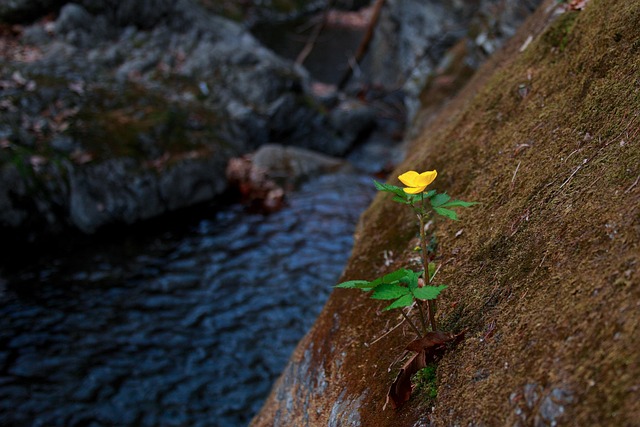
A flower seed,
buried in the ground, a butterfly in its chrysalis, a human child in its mother’s womb — each form undergoes a significant transformation while growing.
For most people, adjusting to a new form of life or a new way of living often comes with feelings of discomfort.
Just as we experience physical growth spurts, which are akin to ‘growing pains’, stepping out of our comfort zones can be equally challenging.
Leafing through the book of my memories, it is clear that I didn’t experience pain or diseases as a real challenge. Like many others, I believed that recovery from discomfort, pain, and illness was possible. And for that we have the health care system, the usual system as well as many complemantary and alternative ways to ‘heal’ ourselves.
Sometimes it worked out that way, but not always.
After visiting doctors, usings their legal drugs, laying on the table of therapists or sitting with them, studying ways to support others in their healing…
At last something started to dawn: the unconscious beliefs and conditioning of my childhood kept me depending on ‘treatments’ coming from the outside world.
But going along with all the experiences that were offered to me, taught me another lesson: pain, illness, discomfort, death, and loss of physical or mental functionality are integral parts of life.
Suffering is not equal to having pain or being ill but to a feeling or thought of ‘No’ to what happens to me, connected to a wish or even a prayer that ‘this may pass’.
Therefore, suffering does not depend on what happens to us but on how we interpret our experiences individually and how we identify ourselves with the body, with discomfort, pain or illnes.
When we still suffer, like we did as a child, we haven’t learn yet that these experiences belong to life, to living, to growth.
It was an eye-opener of the first class. Challenges belong to life and growth, suffering belong to dying and stagnation.
It became clear that health doesn’t equal an absence of illness or pain, as so often is shared as a definition.
Health is—in fact—a continuous process of birth and death, happening every second and every minute of our lives.
What role does language play in this?
Not knowing if this is true, but reflecting on my experiences, I’ve come to realize that language plays a significant role in perpetuating suffering.
As soon as I started to use words, being around 1 year old, something changed in the way my parents reacted and responded to me.
This phenomenon continued with every new word I learned, and it simultaneously enlarged the distance between what was born and what I became: a talking head.
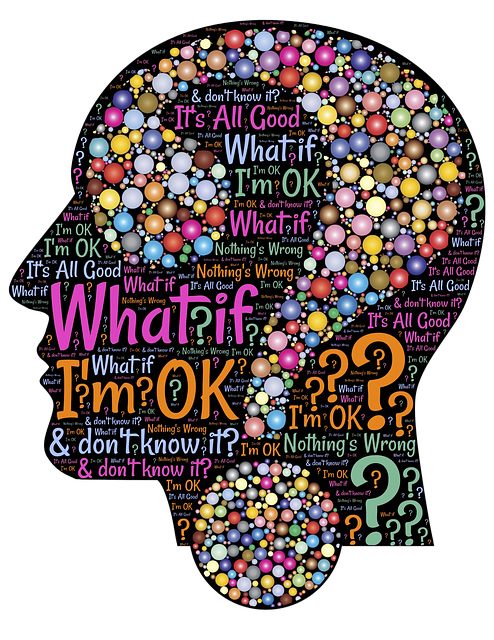
As language became an integral part of the communication with my parents and the world around me, it began to disconnect me from my feelings, emotions, and memories.
This exclusion even became so extreme that I didn’t notice my body developed arthrosis until the pain prevented me from activities like walking and biking.
Still recognizing this when I am wording my actual experiences and understanding that verbalizing is an abstraction of vivid and past happenings, using cognitive and intellectual aspects of the mindLanguage is a very limited expression to describe our experiences.
No matter if we talk to others or to ourselves.
However, when consciously used, it also can help us to organize our unconscious patterns to change into more useful and healthy ones.
Phrases like “I am ill,” “I have pain,” or “I’m traumatized” are common ways of speaking about painfull experiences.
And, we can question these kind of identifications with what we experience, like:
Are we ill, or do we simply experience an illness?
Do we have pain or do we experience pain?
Are we hurt by something the others does or say, or does it refer to something that still triggers a memory of an old traumatic or painfull moment. A memory of a wound, so to speak, which isn’t healed yet?
It helped me to understand, literally by feeling the difference, that identifications with what I experience causes suffering.
Even when my body has to go through daily pain and discomfort, I don’t experience it as suffering at all.
It made me very, very, curious and made me searching deeper for other kind of identifications, and I found many.
In summary,
the words we use to describe or talk about our momentary experience can reinforce the unconcious programs we had as a child.
A child that was depending on its caretakers and didn’t know the difference between being aware of an experience and the experience itself?
Changing the way I used to identify myself with whatever, into experiencing a distance between me and what happens, helped me to slowly, slowly, develop a watchful state of mind. In pain and happiness, in bad and good days, being alone or together with others….in any situation it brought and still brings a freedom of the old beliefs, patterns and habits. It made me understanding myself, my body-mind system as an instrument, which I still learn to tune.
Even learning to play in the orchestra, conducted by our Master.
P.S.
A side effect of dusting off these layers of the unconscious is that qualities such as empathy and compassion grow.
Yet, along the path something starts to dawn about this idea of growing: the qualities don’t grow but but become discovered.
They have been there all the time, just waiting for me to welcome them. And one of the affects of it is that it feels as if the pain and suffering of others is felt much more deeply than ever before, even when we didn’t know each other personally.
It moves me to reach out to others and share whatever I can to support them in their lives. No matter how.
And when this is not possible, the Meditation ‘Atisha’s exercise’ is a way to share love and compassion through the air, supporting all of us.
Jai Ho.
Back to Blogs
Reflections
Emotional Homelessness
The Software of our DNA
A Path is Created by Walking